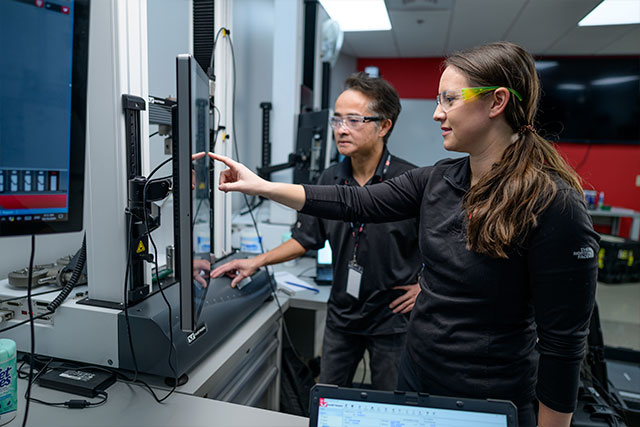
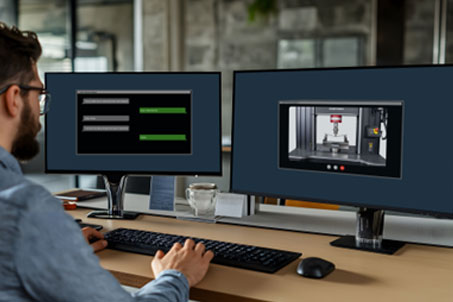
この1日コースでは、受講者は材料試験について学びます。このコースでは、機械的特性、さまざまな試験の種類、応力/ひずみ試験曲線、弾性率、降伏、およびコンピュータ化された材料試験機器でのデモンストレーションを含むアプリケーション試験など、材料試験の基礎を重点的に取り上げます。受講者は、引張試験、圧縮試験、曲げ試験、およびピール試験を観察し、試験曲線と計算結果の解釈方法を学びます。コース概要をダウンロードして、プログラムの全容をご確認ください。
このコースを修了すると、次のことができるようになります。
- 材料試験の基本的な用語、理論、概念を理解する
- 典型的な荷重/変位試験曲線を理解し、さまざまな種類の曲線を区別できるようになる
- 典型的な引張試験、圧縮試験、曲げ試験、およびピール試験を実施する際の注意事項
- コンピュータ化された試験機器を使用して引張試験、圧縮試験、曲げ試験、およびピール試験を実施する際の適切な試験手順を学ぶ
- データの精度を確保するためのシステム校正の重要性を学ぶ
- 試験片の形状と試験片寸法の重要性を理解する
- 応力、ひずみ、伸び、弾性率、オフセット降伏、およびその他の高度な計算を行う
- 試験曲線を解釈し、主要なポイントと結果にラベルを付けることができるようになる
- さまざまな種類のひずみ測定と測定装置を理解する
このコースに登録する
この1日コースでは、受講者は材料試験について学びます。このコースでは、機械的特性、さまざまな試験の種類、応力・ひずみ曲線、弾性係数、降伏、およびコンピュータ制御の材料試験機を使用した実演を含むアプリケーション試験など、材料試験の基礎に焦点を当てます。受講者は引張、圧縮、曲げ、および剥離試験を観察し、試験曲線と計算結果の解釈方法を学びます。プログラムの詳細は、コース概要をダウンロードしてご確認ください。
本コース修了後、以下のことが可能になります:
- 材料試験の基本的な用語、理論、および概念の理解
- 代表的な荷重・変位試験曲線の理解と、異なる種類の曲線の判別
- 代表的な引張、圧縮、曲げ、および剥離試験を実施する際の注意事項(Do’s and Dont’s)
- コンピュータ制御の試験機を使用して引張、圧縮、曲げ、および剥離試験を行う際の適切な試験手順の習得
- データ精度のためのシステム校正の重要性の理解
- 試験片の形状と寸法の重要性の理解
- 応力、ひずみ、伸び、弾性係数、オフセット耐力、およびその他の高度な計算の実施
- 試験曲線の解釈と、主要なポイントおよび結果のラベル付け
- さまざまな種類のひずみ測定と測定デバイスの理解
このコースに申し込む
この1日コースでは、受講者は材料試験について学びます。このコースでは、機械的特性、さまざまな種類の試験、応力・ひずみ曲線、弾性率、耐力、およびコンピュータ制御の材料試験機を使用したデモンストレーションを含むアプリケーション試験など、材料試験の基礎に焦点を当てます。受講者は、引張、圧縮、曲げ、剥離試験を観察し、試験曲線と計算結果の解釈方法を学びます。プログラムの詳細は、コース概要をダウンロードしてご確認ください。
このコースを修了すると、以下のことができるようになります。
- 材料試験の基本的な用語、理論、概念の理解
- 代表的な荷重/変位試験曲線の理解と、異なる種類の曲線の判別
- 一般的な引張、圧縮、曲げ、剥離試験を実施する際の注意事項(Do’s and Don’ts)
- コンピュータ制御の試験機を使用して引張、圧縮、曲げ、剥離試験を行う際の適切な試験手順の習得
- データ精度のためのシステム校正の重要性の習得
- 試験片の形状と試験片寸法の重要性の理解
- 応力、ひずみ、伸び、弾性率、オフセット耐力、およびその他の高度な計算の実施
- 試験曲線の解釈と、主要なポイントおよび結果のラベル付け
- さまざまな種類のひずみ測定と装置の理解
このコースに申し込む
この1日コースでは、材料試験について学びます。本コースでは、機械的特性、さまざまな試験の種類、応力/ひずみ試験曲線、弾性率、降伏、ならびにコンピュータ制御の材料試験機を用いたデモンストレーションによるアプリケーション試験など、材料試験の基礎を重点的に扱います。引張、圧縮、曲げ、はく離試験を観察し、試験曲線と算出結果の解釈方法を学びます。全プログラムはコース概要をダウンロードしてご確認ください。
本コース修了後、次のことができるようになります:
- 材料試験の基本用語、理論、概念を理解する
- 代表的な荷重/変位試験曲線を理解し、曲線の種類を区別できる
- 代表的な引張、圧縮、曲げ、はく離試験を実施する際の注意点(Do’s and Dont’s)
- コンピュータ制御試験機を使用して引張、圧縮、曲げ、はく離試験を行う際の適切な試験手順を学ぶ
- データ精度のためのシステム校正の重要性を学ぶ
- 試験片形状と試験片寸法の重要性を理解する
- 応力、ひずみ、伸び、弾性率、オフセット降伏、その他の高度な計算を行う
- 試験曲線を解釈し、主要なポイントと結果にラベル付けできる
- ひずみ測定の種類と測定装置を理解する
このコースに登録する
この1日コースでは、材料試験について学びます。このコースでは、機械的特性、さまざまな試験の種類、応力/ひずみ試験曲線、弾性率、降伏、およびコンピューター化された材料試験機を使用した実演を含む、材料試験の基礎を重点的に取り上げます。受講者は、引張試験、圧縮試験、曲げ試験、およびピール試験を観察し、試験曲線と計算結果の解釈方法を学びます。プログラムの全容については、コース概要をダウンロードしてご確認ください。
このコースを修了すると、次のことができるようになります。
- 材料試験の基本的な用語、理論、および概念を理解する
- 典型的な荷重/変位試験曲線を理解し、さまざまな種類の曲線を区別できるようになる
- 典型的な引張試験、圧縮試験、曲げ試験、およびピール試験を実施する際の注意事項
- コンピューター化された試験機を使用して引張試験、圧縮試験、曲げ試験、およびピール試験を実施する際の適切な試験手順を学ぶ
- データの精度を確保するためのシステム校正の重要性を学ぶ
- 試験片の形状と試験片寸法の重要性を理解する
- 応力、ひずみ、伸び、弾性率、オフセット降伏、およびその他の高度な計算を行う
- 試験曲線を解釈し、主要なポイントと結果にラベルを付けることができるようになる
- さまざまな種類のひずみ測定と測定装置を理解する
このコースに登録する
この1日コースでは、材料試験について学びます。本コースでは、機械的特性、さまざまな試験の種類、応力・ひずみ試験曲線、弾性率、耐力、アプリケーション試験など、材料試験の基礎に焦点を当て、コンピューター制御の材料試験機を用いた実演を行います。受講者は、引張、圧縮、曲げ、剥離試験を観察し、試験曲線や算出された結果の解釈方法を学びます。プログラムの詳細は、コース概要をダウンロードしてご確認ください。
本コース修了後には、以下のことが可能になります:
- 材料試験の基本的な用語、理論、概念の理解
- 代表的な荷重・変位試験曲線の理解と、異なる種類の曲線の判別
- 代表的な引張、圧縮、曲げ、剥離試験を実施する際の注意事項(Do’s and Don’ts)の習得
- コンピューター制御の試験機を使用して引張、圧縮、曲げ、剥離試験を行う際の適切な試験手順の習得
- データ精度のためのシステム校正の重要性の理解
- 試験片の形状と寸法の重要性の理解
- 応力、ひずみ、伸び、弾性率、オフセット耐力、およびその他の高度な計算の実施
- 試験曲線の解釈と、主要なポイントおよび結果のラベル付け
- さまざまな種類のひずみ測定と測定デバイスの理解
このコースに申し込む
この1日コースでは、受講者は材料試験について学びます。本コースでは、機械的特性、さまざまな試験の種類、応力・ひずみ曲線、弾性係数、降伏、およびコンピュータ化された材料試験機によるデモンストレーションを含むアプリケーション試験など、材料試験の基礎に焦点を当てます。受講者は引張、圧縮、曲げ、および剥離試験を観察し、試験曲線と計算結果の解釈方法を学びます。プログラムの詳細はコース概要をダウンロードしてご確認ください。
本コース修了後、以下のことが可能になります:
- 材料試験の基本的な用語、理論、概念の理解
- 典型的な荷重・変位試験曲線の理解と、異なる種類の曲線の判別
- 一般的な引張、圧縮、曲げ、剥離試験を実施する際の注意事項(Do’s and Dont’s)
- コンピュータ化された試験機を使用して引張、圧縮、曲げ、剥離試験を行う際の適切な試験手順の習得
- データ精度のためのシステム校正の重要性の習得
- 試験片の形状と寸法の重要性の理解
- 応力、ひずみ、伸び、弾性係数、オフセット降伏、およびその他の高度な計算
- 試験曲線の解釈と、主要なポイントおよび結果のラベル付け
- さまざまな種類のひずみ測定と測定デバイスの理解
このコースに申し込む

In this one-day course, students will learn about materials testing. The course highlights the basics of materials testing including mechanical properties, different types of testing, stress/strain test curves, modulus, yield, and application testing with demonstrations on computerized materials test instruments. Students will observe tensile, compressive, flexural, and peel tests to learn to interpret test curves and calculated results. Download the course outline to see the full program.
After completing this course, you will be able to:
- Understand basic materials testing terminology, theory and concepts
- Understand typical force/displacement test curves and be able to distinguish between different types of curves
- Do’s and Dont’s when running typical tensile, compression, flexure, and peel tests
- Learn good testing procedures when using a computerized testing instrument to perform tension, compression, flexural and peel testing
- Learn the importance of system calibration for data accuracy
- Understand specimen geometry and the importance of specimen dimensions
- Calculate stress, strain, elongation, modulus, offset yield, and other advanced calculations
- Be able to interpret test curves and to label major points and results
- Understand different types of strain measurements and devices
Register for This Course

In this one-day course, students will learn about materials testing. The course highlights the basics of materials testing including mechanical properties, different types of testing, stress/strain test curves, modulus, yield, and application testing with demonstrations on computerized materials test instruments. Students will observe tensile, compressive, flexural, and peel tests to learn to interpret test curves and calculated results. Download the course outline to see the full program.
After completing this course, you will be able to:
- Understand basic materials testing terminology, theory and concepts
- Understand typical force/displacement test curves and be able to distinguish between different types of curves
- Do’s and Dont’s when running typical tensile, compression, flexure, and peel tests
- Learn good testing procedures when using a computerized testing instrument to perform tension, compression, flexural and peel testing
- Learn the importance of system calibration for data accuracy
- Understand specimen geometry and the importance of specimen dimensions
- Calculate stress, strain, elongation, modulus, offset yield, and other advanced calculations
- Be able to interpret test curves and to label major points and results
- Understand different types of strain measurements and devices
Register for This Course