

How Silicone-Free Prefilled Syringes Are Changing Functional Testing
Summary of insights from “The Rise of Silicone-Free Prefilled Syringes: New Functional Testing Considerations” by Landon Goldfarb, published in ONdrugDelivery Issue 191.
As biologic drugs, monoclonal antibodies, and other advanced therapies continue to drive pharmaceutical innovation, manufacturers are searching for alternatives to silicone oil in prefilled syringes (PFSs). In his article, Landon Goldfarb explores the necessary change to silicone-free prefilled syringes, and the importance of functional testing in ensuring reliable drug delivery and autoinjector performance.
Why the Industry Is Moving Beyond Silicone Oil
For many years, silicone oil was considered the industry standard for lubricating prefilled syringes. It helped prevent issues such as slip-stick, which can create force spikes and negatively impact usability. However, silicone oil has several drawbacks, including coating migration and the generation of silicone particles. These particles can detach during manufacturing, transportation, storage, or device activation, potentially affecting product quality and the stability of sensitive biologic drugs. As a result, the pharmaceutical industry began looking for alternative syringe technologies that better support biologic drug delivery.
Emerging Silicone-Free Prefilled Syringe Technologies
To address these concerns, the pharmaceutical industry has introduced a variety of new lubrication solutions. Some adapt traditional silicone coatings through techniques such as baked-on or cross-linked silicone, reducing particle generation (although not fully) while maintaining familiar performance characteristics. Others eliminate silicone altogether by using silicone-free glass syringes or alternative materials such as polymers. While these innovations may improve drug stability and compatibility with biologics, they also change how a syringe behaves mechanically, creating new considerations for device developers and pharmaceutical manufacturers.

How Functional Testing Evaluates Syringe Performance
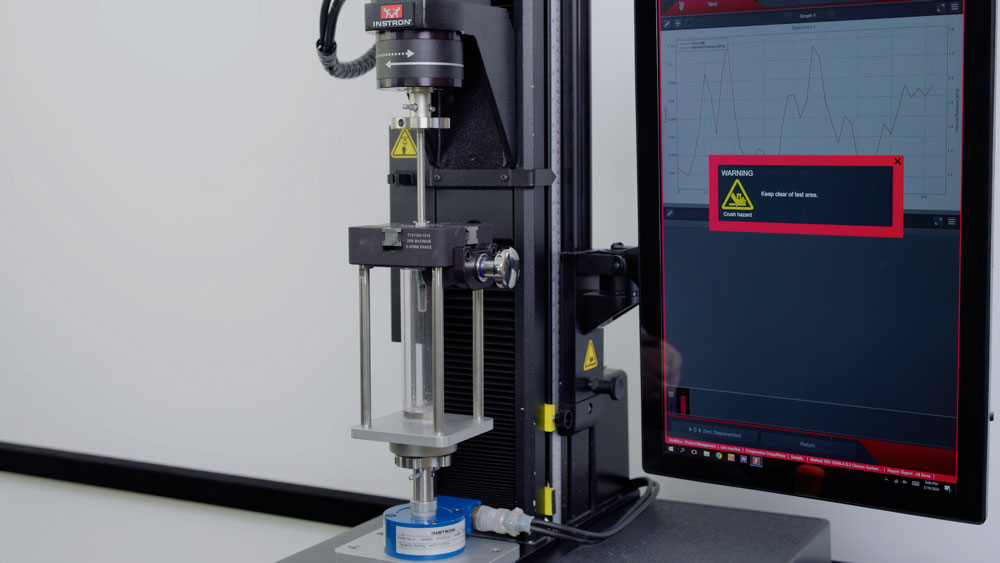
Because silicone-free technologies can alter syringe mechanics, evaluating performance has become a critical step in development. Break loose force and glide force are key measurements for understanding how smoothly a syringe operates during an injection and are commonly used in prefilled syringe testing. Several other variables can influence these results, including drug viscosity, testing speed, and fixture alignment. By analyzing these factors, manufacturers can better understand how design and material changes affect syringe performance, user experience, and overall drug delivery.
The Impact of Silicone-Free Syringes on Autoinjectors
The shift toward silicone-free syringes has implications beyond the syringe itself. Many of these containers are intended for use in autoinjectors and other drug-device combination products, where even small changes in friction or force profiles can affect overall performance. These differences can influence injection time, dose delivery, and device reliability. For this reason, developers must assess how the syringe and autoinjector function together as a complete combination product rather than evaluating each component independently.
Key Testing Considerations for Drug Delivery Devices
A comprehensive testing strategy should examine how silicone-free prefilled syringes perform under real-world conditions. This includes exposure to temperature extremes, shipping simulations, and long-term storage to identify potential changes in performance over time. Developers should also assess compatibility with autoinjectors and other delivery systems. Automated testing can help streamline these evaluations, improve consistency, reduce variability, and generate larger data sets for analysis.
Balancing Biologic Compatibility with Device Reliability
As biologics continue to reshape the pharmaceutical industry, syringe technologies must evolve to meet increasingly demanding drug compatibility requirements. Silicone-free solutions offer significant advantages for sensitive drug formulations, but adopting them requires a clear understanding of their impact on device performance.
Goldfarb concludes that functional testing serves as the bridge between syringe innovation and successful drug delivery. By thoroughly evaluating syringe performance and autoinjector compatibility, manufacturers can confidently adopt next-generation technologies while ensuring reliability, usability, and positive patient outcomes
Full Article
Read Goldfarb's full article, The Rise of Silicone-Free Prefilled Syringes: New Functional Testing Considerations, at ONdrugDELIVERY.com.
Frequently Asked Questions
New syringe materials and coatings can change how a syringe performs during an injection. Functional testing helps manufacturers measure factors such as break loose force, glide force, and injection performance to ensure the syringe remains safe, reliable, and easy for patients to use.
Updated:
October 27, 2026
Written By:
Sofia Mallea
Edited By:
Nick Erickson
Reviewed By:
Landon Goldfarb
Explore Instron Solutions for Prefilled Syringe Testing
From the platform to the fixture to the software, Instron has the tools pharmaceutical and medical device teams need to validate pre-filled syringe performance.

Fixtures and automation designed for prefilled syringe testing, including break loose and glide force, needle penetration force, and cap removal applications.

Purpose-built for needle-based injection system testing, supporting activation force, click detection, injection time, needle depth, delivered volume, and needle guard lockout testing.
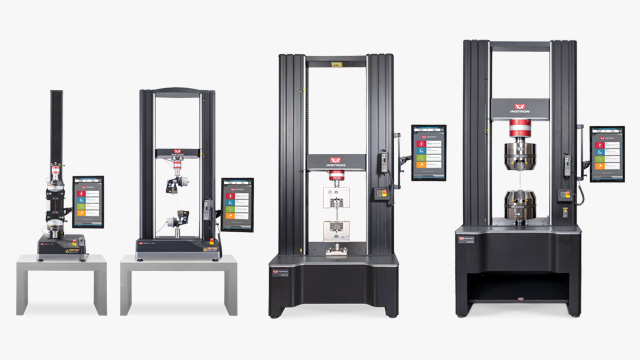
Configurable load frames with the force measurement accuracy, speed control, and accessory compatibility required for the full scope of testing prefilled syringes to common ISO standards.
or

Talk to an Instron Expert
Get application-specific guidance on testing prefilled syringes.